Energy efficient stories
Schneider Electric launches advanced liquid cooling solutions in New Zealand to meet rising AI data centre demands while enhancing energy efficiency and sustainability.
PEAK:AIO launches PEAK Open pNFS, an open-source metadata server designed to scale AI and HPC storage without vendor lock-in, easing data bottlenecks.
Hewlett Packard Enterprise unveils GX5000 supercomputers to advance AI research with enhanced computing, energy efficiency and high-speed networking.
Equinix plans a USD $22 million data centre in Lagos, its first in West Africa, boosting digital infrastructure to power Nigeria's growing tech economy by 2026.
ZutaCore and EGIL Wings launch a 15MW AI Vault using waterless cooling and renewable energy for eco-friendly, high-density data centres worldwide.
The data centre UPS market is set to grow to USD $12.47 billion by 2030, driven by rising AI workloads and demand for energy-efficient, reliable power systems.
AI boosts productivity but drives up costs and energy use; firms must adopt integrated strategies to ensure sustainable, profitable AI adoption.
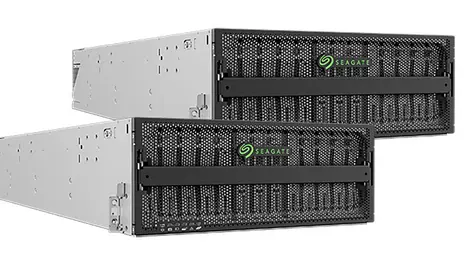
Seagate launches Exos 4U100 and 4U74, high-density storage systems with up to 3.2PB, boosting energy efficiency and security for AI-driven enterprises.
Seagate launches Exos 4U100 and 4U74 storage systems offering up to 3.2PB capacity, designed for AI-driven enterprise and edge workloads with improved efficiency.
Fortinet launches Secure AI Data Centre with FortiGate 3800G firewall to protect AI models and infrastructure, boosting security and cutting power use by 69%.
Fortinet reported Q3 revenue up 14% to USD $1.72bn, driven by strong product sales and a surge in adoption of its FortiSASE security solution.
LG launches its upgraded DUALCOOL AI Air conditioner in Australia, combining AI-driven comfort with energy efficiency for the 2025-26 summer.
Vertiv has launched gigawatt-scale AI data centre blueprints with NVIDIA, cutting deployment time by up to 50% using flexible, prefabricated designs.
Trilliant urges European utilities to adopt flexible hybrid networks combining public cellular and private RF tech for smarter, scalable energy transitions.
Vertiv will supply advanced cooling and power infrastructure for Digital Realty's AI-ready ROM1 data centre in Rome, supporting high-performance computing from 2027.
Willow is a finalist for the 2025 Microsoft Education Partner of the Year Award, recognised for using AI to optimise campus operations and sustainability.
Fortinet's new Secure AI Data Centre reduces power use by 69%, offering robust defence for AI workloads through its innovative FortiGate 3800G firewall and security framework.
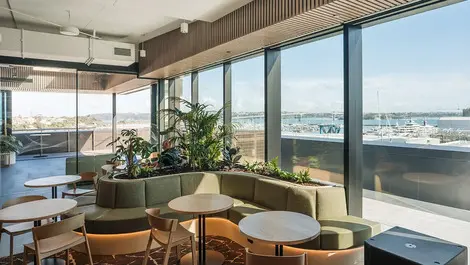
One New Zealand has opened a sustainable office in Auckland's Wynyard Quarter, blending flexible workspaces with Māori culture and eco-friendly design.
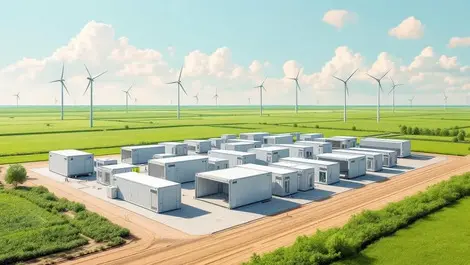
BluSky AI plans to lease five acres in Mulhall, Oklahoma, to expand its modular data centres with an energy-efficient AI computing infrastructure.
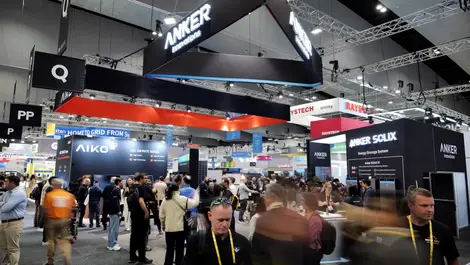
Anker unveiled smart energy and home solutions at All Energy Australia 2025, enhancing power, storage, charging, and security for Australian homes.










.webp)