

eScan hails CIO 500 debate on cyber resilience & AI
Mon, 12th Oct 2026 (Today).webp)
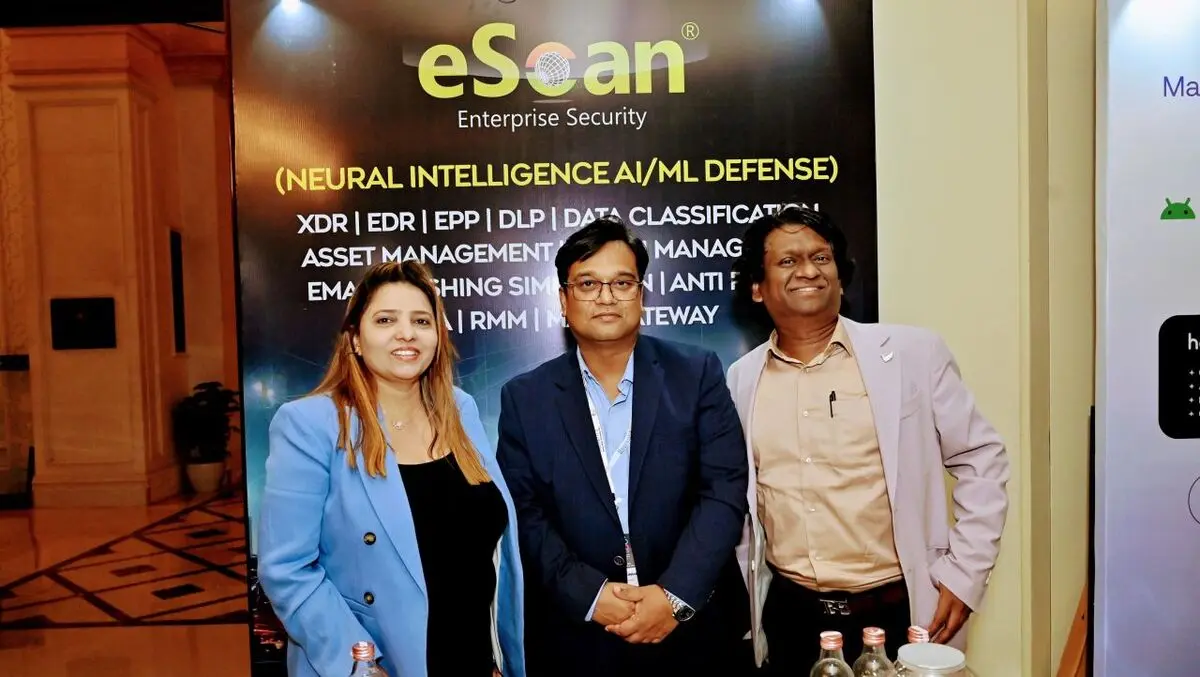
eScan took part in the Delhi chapter of the CIO 500 Intercity Events 2026, using the gathering to discuss cyber resilience and AI adoption with Chief Information Officers and technology leaders.
Discussions focused on how organisations are securing increasingly distributed IT environments while keeping technology spending aligned with business priorities. eScan presented its Enterprise Security Suite, which includes Endpoint Detection and Response, Extended Detection and Response, Enterprise Mobile Management, and Data Loss Prevention.
Security and technology leaders at the event examined the trade-off between stronger cyber defences and the cost and complexity that can come with them. The issue is becoming more pressing as companies expand their use of cloud services, hybrid working models, and AI-led tools, increasing the number of systems, users, and data flows that security teams must oversee.
Conversations pointed to demand for integrated security tools that give organisations broader oversight of their systems without adding operational strain. eScan also stressed the need for controls that support the safe use of AI and other digital technologies across business functions.
Shweta Thakare, Global Vice President, Sales and Marketing at eScan, said the discussions reflected a shift in what technology leaders are being asked to deliver.
"CIOs are increasingly expected to strengthen cyber resilience while ensuring that technology investments remain practical, scalable and aligned with business priorities. Our conversations at CIO 500 offered valuable insight into how organisations are approaching this balance. There is a clear need for security solutions that provide comprehensive protection without making the technology environment harder to manage," said Thakare.
Data concerns
Data protection also featured prominently in the discussions. As businesses spread workloads across cloud platforms and enable staff to work across multiple locations and devices, sensitive information moves through more systems and becomes accessible to more users, raising questions about visibility, permissions, and oversight.
The issue has taken on added significance with the spread of AI-enabled applications, which often rely on large volumes of data and can create new concerns about how information is stored, shared, and used. Discussions also highlighted the need for stronger controls over the movement of data through enterprise environments, particularly where companies are balancing legacy systems with newer digital tools.
Govind Rammurthy, Chief Executive Officer and Managing Director of eScan, said cybersecurity is becoming more tightly linked to broader business goals.
"The role of cybersecurity is changing as technology becomes more closely linked to business outcomes. Conversations around AI, digital investments and cyber resilience showed that organizations need security to be integrated into their wider technology strategy. Engaging directly with CIOs helps us understand these evolving requirements and the practical challenges security teams encounter," said Rammurthy.
Wider shift
The themes raised at the Delhi gathering reflect a wider shift in enterprise technology strategy. Chief Information Officers are under pressure not only to reduce exposure to cyber threats but also to show that spending on digital systems, automation, and AI can deliver clear operational or commercial results.
This has made security a board-level issue in many organisations, especially where downtime, data loss, or compliance failures can have direct financial and reputational consequences. At the same time, security teams are under pressure to avoid layering on too many separate tools that can increase cost, create blind spots, or add management overhead.
Against that backdrop, vendors across the cybersecurity sector have increasingly argued for more unified approaches to detection, response, mobile device oversight, and data protection. eScan's presentation placed its product set within that trend, as buyers look to reduce gaps between endpoint, network, mobile, and data security.
Its exchanges with technology leaders centred on emerging cyber risks, changing security priorities, and the practical challenge of modernising IT estates without weakening control over critical systems and information.