

AI-first studios & multimodal workflows transform production
Sat, 22nd Nov 2025
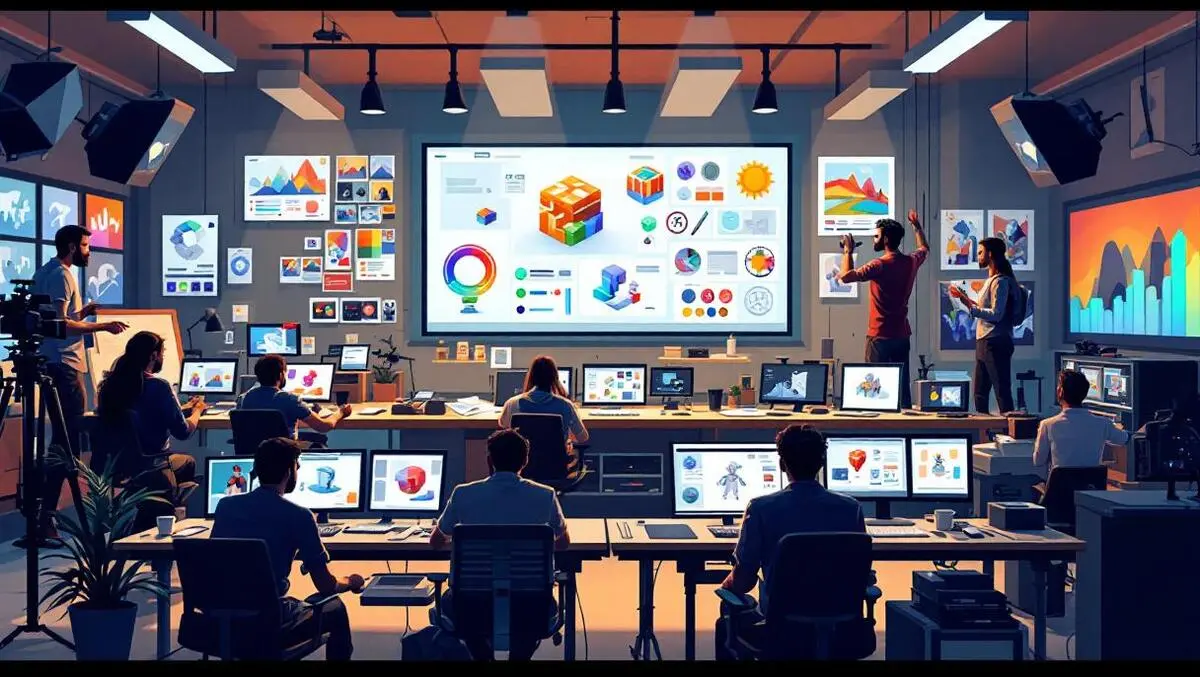
Creative production teams across the technology, financial, and marketing sectors are adopting AI-powered multimodal workflows, with several studios now operating on AI-first models from their inception. This transition is seeing the integration of image generators, video synthesis, 2D-to-3D pipelines, and node-based automation into the core of production practices.
Studio transformation
New studios in Asia, the US, and Europe are building their processes on AI foundations. These AI-first studios combine creative direction with automated pipelines, reducing asset creation times from days to hours. In Singapore, studios such as GoodTake have started trialling AI-driven storyboarding, video production, and 3D workflows, collaborating with established production houses. Hybrid models, which blend human supervision with machine-led execution, are also emerging as a common setup.
Multimodal approaches
Creative teams that previously worked with single-modality AI tools, such as basic image generation, are now deploying interconnected systems. This includes simultaneous use of ideation tools, video generators for product content, sketch-to-render solutions that refine rough drafts, and 2D-to-3D capabilities for animation and product visualisation. Automated, node-based operations are further streamlining routine creative tasks.
"AI-first workflows let us visualize campaigns before we shoot. It's become part of our pre-production, not an add-on," said Nicole Phua, Senior Producer, The Social Arm.
In-house shift
Organisations are increasingly retaining creative production in-house, driven by the lower cost and faster turnaround time afforded by AI technologies. Internal teams are able to generate assets more quickly and maintain consistent branding across images, video, and 3D content. In-house production also meets privacy and compliance needs for regulated industries and allows for the rapid personalisation of assets at scale.
"Multimodal AI didn't replace our team - it multiplied what our team can do. We're creating three times the volume with the same headcount," said Julz Johan, Executive Producer, Whitecoat Productions.
Operational challenges
Despite widespread adoption, some companies are encountering challenges. A primary issue is non-standardised prompting, which can create inconsistencies in creative output. Inadequate digital asset management makes it difficult to organise and retrieve content as production accelerates. There are also complications around asset rights and tracking the origins of training data and generated material.
Studios in Singapore, such as GoodTake.ai, are starting to implement rigorous asset naming conventions, template libraries, and workflow provenance tools to help mitigate these risks.
Standard expectations
Industry analysts expect that, if current adoption rates are maintained, AI-powered production will be standard for brand teams by the end of 2025. Multimodal workflows are being established as a basic expectation rather than an experimental approach. This shift is prompting creative teams to review and upgrade their tools and procedures to prevent falling behind peers.
"AI-first tools expanded my range as a designer. The limits dropped, and the creative possibilities exploded," said Victor, Lead Designer, Viper Gears.